

Marketing automation: how to save time and build customer loyalty
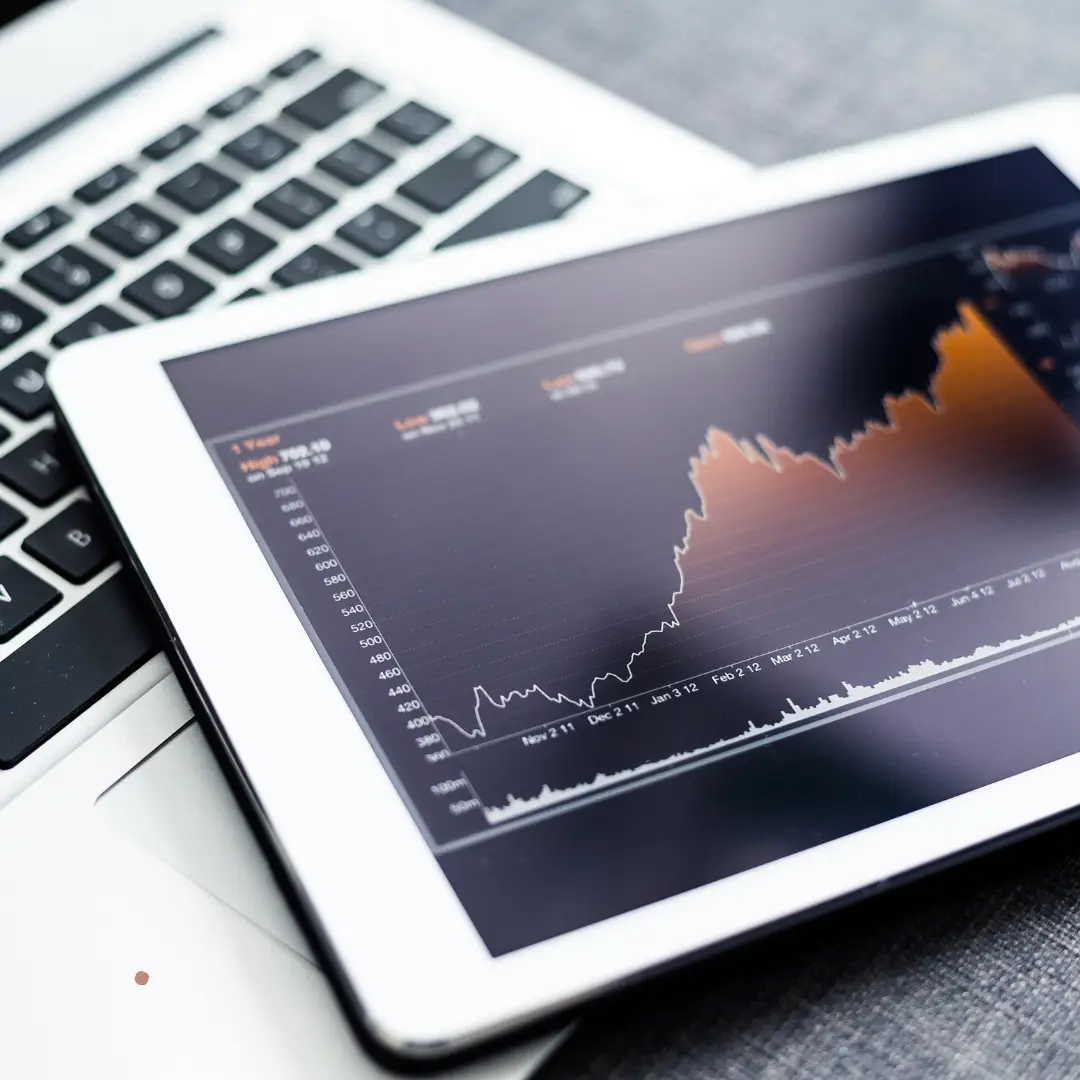
Marketing automation has become an essential tool for companies wishing to optimize their communications, save time and improve customer loyalty. Thanks to automation, you can send personalized messages at the right time, without manual intervention. Some key figures: 80 % of companies using marketing automation see an increase in qualified leads. Automated campaigns achieve a 70 % higher open rate than conventional emails. 63 % of companies see an improvement in customer loyalty thanks to automation. In 2025, marketing automation tools are no longer a luxury, but a necessity to stay competitive. ⏳ 1. Save time by automating repetitive tasks Marketing automation makes it possible to do away with time-consuming tasks and concentrate on high value-added actions. Tasks that can be automated: Sending personalized emails and newsletters Automatic follow-up of shopping cart abandonments Planning and publishing posts on social networks Managing SMS marketing campaigns Tracking and scoring leads according to their engagement Recommendation: Use tools like HubSpot, ActiveCampaign, Mailchimp or Brevo (ex-Sendinblue) to automate your marketing actions. 2. Personalize the customer experience to improve engagement Thanks to marketing automation, each message is targeted according to the customer's behavior. Personalization strategies: Segment contacts according to interests and behaviors Send exclusive offers based on purchase history Automated email scenarios to guide the user through their journey Example: A customer visits a product page without buying → Automatic email with a personalized discount A new newsletter subscriber → Sequence of welcome emails to present services Recommendation: The more personalized a message, the more it converts and builds loyalty. 3. Improve customer loyalty with automated campaigns Marketing automation makes it possible to create intelligent loyalty campaigns. Examples of automated campaigns: Customer reward program (loyalty points, discounts) Post-purchase follow-up email with advice and recommendations Automatically relaunch inactive customers with a special offer A satisfied, engaged customer is a returning customer! Recommendation: Companies that automate their customer loyalty increase their long-term customer value by 20 to 30 %. 4: Generate more leads with automated scenarios Marketing automation enables you to attract and qualify prospects without constant intervention. Effective tactics: Smart forms to collect qualified leads Lead nurturing: automatic educational emails to turn a prospect into a customer Chatbots and automated messages to answer common questions Recommendation: Combine CRM and marketing automation for optimal follow-up of prospects and customers. 5. Measure and optimize marketing performance in real time Thanks to automation tools, you can track the impact of each marketing action and adjust your campaigns. Key KPIs to analyze: Open and click rates on automated emails Conversions generated by automated campaigns ROI of automated emailing and advertising campaigns Recommendation: Use Google Analytics, HubSpot or ActiveCampaign to track and optimize your performance. Conclusion: Marketing automation, an essential growth lever In 2025, marketing automation is an essential asset for all companies wishing to: Save time on repetitive tasks Improve customer loyalty with targeted campaigns Optimize the conversion of leads into loyal customers Personalize the user experience to maximize engagement Need help setting up a marketing automation strategy? Contact our experts today!
Best practices for securing your online transactions in 2025
With the rise of e-commerce and digital payments, the cybersecurity of online transactions has become a top priority. In 2025, cyber-attacks are becoming increasingly sophisticated, endangering businesses and consumers alike. Some alarming figures: 63% of online fraud is linked to the theft of banking data. 1 in 10 online transactions is targeted by a fraud attempt. Global e-commerce is expected to reach $8 trillion by 2025, attracting cybercriminals. An unsecured online transaction can result in financial loss, reputational damage and legal sanctions. 1: Opt for a secure payment protocol (SSL/TLS & HTTPS) Using the HTTPS protocol is essential to secure data exchanges between a user and a website. Why is HTTPS crucial? It guarantees data encryption via SSL/TLS. It protects sensitive information such as credit card numbers. It is SEO friendly. Recommendation: Always check that the site displays HTTPS before making a payment. 2. Adopt PCI DSS-compliant payment solutions What is PCI DSS? The Payment Card Industry Data Security Standard (PCI DSS) is a set of rules guaranteeing the protection of banking data. Best practices: Choose certified payment solutions (Stripe, PayPal, Adyen, Mollie) Never store credit card numbers on your site Use strong authentication to validate payments 3. Use strong authentication (3D Secure 2.0 & biometrics) Strong Customer Authentication (SCA) has become mandatory in Europe with the DSP2 directive. Secure technologies: 3D Secure 2.0: double verification by SMS code or mobile notification Biometric authentication: fingerprint or facial recognition Payment tokens to limit exposure of banking data Example: A payment with 3D Secure 2.0 requires validation by the user's banking application. 4. Detecting and preventing online fraud Techniques used by cybercriminals: Phishing: Fake payment page to steal your data Skimming: Data capture via malware Credit card fraud: Unauthorized use of banking information Best practices to avoid fraud : Check the URL before entering your bank details Never register your bank card on a dubious site Implement behavioral analysis to spot suspicious transactions Recommendation: Solutions such as Riskified, Signifyd or Stripe Radar analyze payments in real time to block fraud. 5: Encrypt data and use payment tokens Why encrypt payment data? Encryption ensures that banking information remains unreadable in the event of interception. Best practices: Use AES 256-bit encryption Use payment tokens instead of storing card numbers Set up a multi-stage validation system 6. Raise user awareness and train employees 80% of online fraud is due to human error. Essential measures: Train teams to identify phishing attempts Educate customers about the risks of online transactions Avoid connections to unsecured public Wi-Fi networks A well-informed company reduces its fraud risk by 70%! 7. Carry out regular security audits and updates Why is this important? Hackers often exploit known security flaws to steal banking information. Best practices: Update CMS (WordPress, Shopify, Magento) Use professional firewalls and antivirus software Perform regular security audits and penetration tests Recommendation: Call in a cybersecurity agency to test the robustness of your payment system. Conclusion: The security of online transactions, a major challenge in 2025 In 2025, online attacks will be even more sophisticated. Protecting online payments is essential to ensure customer confidence and your company's reputation. Summary of best practices: Use HTTPS and SSL/TLS for data encryption Adopt PCI DSS-certified solutions Implement strong authentication (3D Secure, biometrics) Analyze transactions to detect fraud Encrypt bank data and avoid storing it Raise customer and employee awareness of cybersecurity risks Carry out regular security updates and audits Need help securing your online transactions? Contact our cybersecurity experts for a tailor-made solution!
Optimizing images for the web: essential techniques and tools
Why optimize images for the web? Images play a crucial role in a website's user experience, loading time and search engine optimization (SEO). Poor image management can slow down your site, affect your conversion rate and penalize your Google ranking. A site that's too slow can lose up to 53% of mobile visitors! Optimizing images allows you to : Improve site loading speed Reduce bandwidth consumption Improve SEO thanks to better indexing by Google Offer a fluid user experience 1. Choose the right image format The choice of image format is essential to guarantee good quality while reducing file size. Common formats Format Advantages Disadvantages Recommended use JPEG Good compression and acceptable quality Less efficient for images with transparency Photos and images with many colors PNG Transparency and better quality Heavier files Logos, icons, images requiring high quality WebP Excellent compression and optimal quality Less supported on older browsers Photos, illustrations, complex images SVG Vector format, light and scalable Not suitable for photos Logos, icons, illustrations Recommendation: Use WebP for a better compromise between quality and weight, and SVG for simple graphic elements. 2. compress images without loss of quality An unoptimized image can weigh several MB, when it could be reduced to a few KB without visible loss. ️ Efficient compression tools Tool Type Advantages TinyPNG Online Efficient compression for PNG and JPEG Squoosh Online Allows you to adjust quality and convert to WebP ImageOptim Software (Mac) Advanced lossless compression ShortPixel WordPress plugin Automatic image compression Tip: Always compress your images before uploading them to your site. 3. Resize images for optimal display There's no point in uploading a 4000×3000 px image if it's displayed at 800×600 px on the site. Best practices: Adapt image size to its intended use Avoid displaying an image larger than necessary Prefer CSS and SVG for graphic elements rather than heavy images Useful tools for resizing : Adobe Photoshop (paid version) GIMP (open source) Canva (online, easy to use) 4. Use lazy loading to improve speed What is lazy loading? Lazy loading loads images only when they are visible on the screen, reducing the page's initial weight. Benefits: Speeds up initial loading time Reduces bandwidth consumption Improves SEO and user experience Easy to implement with HTML : <img src=" »image.jpg »" loading=" »lazy »" alt=" "Description" de l’image »> Recommendation: Check that your CMS (WordPress, Shopify...) includes this feature. 5. Optimize image tags and descriptions for SEO Google can't «see» an image like a human, so you need to give it clues via SEO. Use descriptive file names (e.g. chaussures-running-nike.jpg rather than IMG_12345.jpg) Fill in the ALT tag to help Google and accessibility Define a title attribute to add context Example of an optimized tag : <img src=" »chaussures-running-nike.webp »" alt=" "Shoes" de running nike légères et confortables » title=" "Shoes" nike »> 6. Hosting and CDN: advanced optimization A content delivery network (CDN) enables you to store and distribute your images from servers located in different parts of the world. Advantages of a CDN: Faster image loading Reduced load on your server Improved overall site performance Popular solutions: Cloudflare (free and premium CDN) Amazon CloudFront KeyCDN Conclusion: Optimize your images for a fast, high-performance site Image optimization is a key step in reducing loading times and improving your SEO. Quick checklist: Choose the right format (WebP, PNG, JPEG) Compress images before uploading them Resize files to avoid unnecessary resources Enable lazy loading for progressive loading Optimize ALT tags and titles for SEO Use a CDN to improve speed Need support to improve your website's performance? Contact Webiphi for a customized solution!
The basics of netlinking: how to boost your ranking quickly
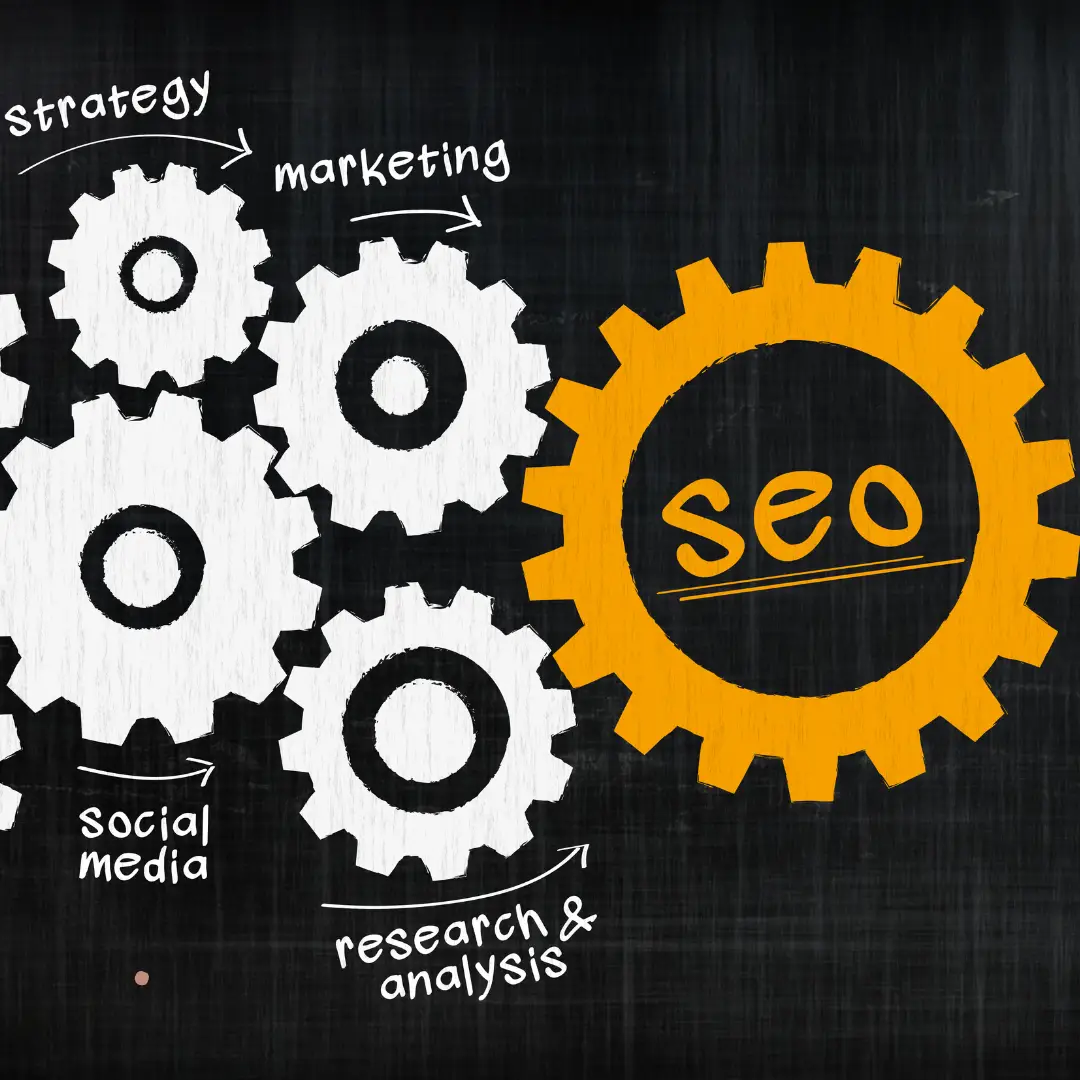
What is netlinking and why is it essential? Netlinking (or link building) is one of the most effective off-page SEO strategies for improving your website's ranking on Google. It involves obtaining backlinks from other sites to boost your domain authority and online visibility. A good link profile increases Google's trust in your site, which in turn helps you rank higher in search results. 1. Why are backlinks essential for SEO? Search engines, and Google in particular, regard backlinks as votes of confidence. The more relevant and quality links you obtain, the more authority and credibility your site gains. Good netlinking helps to Improve your site's SEO ranking Attract qualified traffic from other sites Strengthen your digital reputation Example: A blog specializing in digital marketing that obtains a link from an influential site like Moz or Search Engine Journal will see its authority greatly enhanced. 2. How to obtain quality backlinks Not all links are created equal. Google prefers backlinks from reliable, relevant and popular sites. Here are the best practices for effective netlinking: a) Publish quality content to attract links naturally Write in-depth articles, case studies, infographics or comprehensive guides, infographics or comprehensive guides Offer content that is shareable and useful to your audience Include exclusive statistics or data that will encourage other sites to cite you b) Guest blogging Publish articles on influential blogs or sites in your sector Add a link to your site in your author biography Make sure that the partner site is trusted by your audience.Make sure the partner site is trustworthy and relevant c) Obtaining links from quality directories Register your site on specialized, recognized directories Give preference to platforms with a good domain authority (DA) Avoid spammy or reputable directories d) Using link baiting Link baiting consists in creating content that is so interesting that other sites will want to share it and link to you. Examples of effective content Case studies with figures Free tools or online calculators Interactive infographics e) Leveraging relationships and networking Contact partners or influencers in your field Share expert content and mention them to encourage sharing Exchange links with complementary sites (without falling into abusive exchanges) ️ 3. Mistakes to avoid in netlinking Not all backlinks are good for your SEO! Google can penalize a site that uses artificial netlinking techniques. Buying links from unreliable sites (Google can penalize you) Multiplying links from low-quality sites Practicing comment spam with links Having an unbalanced link profile (too many links of one type) The Google Penguin algorithm ensures that sites obtain backlinks naturally and ethically. 4. Measure the impact of your netlinking strategy To track your performance, use tools such as: Ahrefs - To analyze your backlinks and monitor your competitors SEMrush - To evaluate the authority of domains that link to you Google Search Console - To identify incoming links and detect errors ️ Regularly check that your backlinks are of high quality and relevant to avoid possible penalties. Conclusion: implement a sustainable netlinking strategy Netlinking is a powerful lever for improving your natural SEO. By obtaining quality links, you'll strengthen your site's authority and boost your visibility on Google. At Webiphi, we can help you implement an effective, risk-free backlinking strategy. Need help with netlinking? Contact our experts today!
The benefits of a multilingual SEO strategy in Switzerland and Belgium
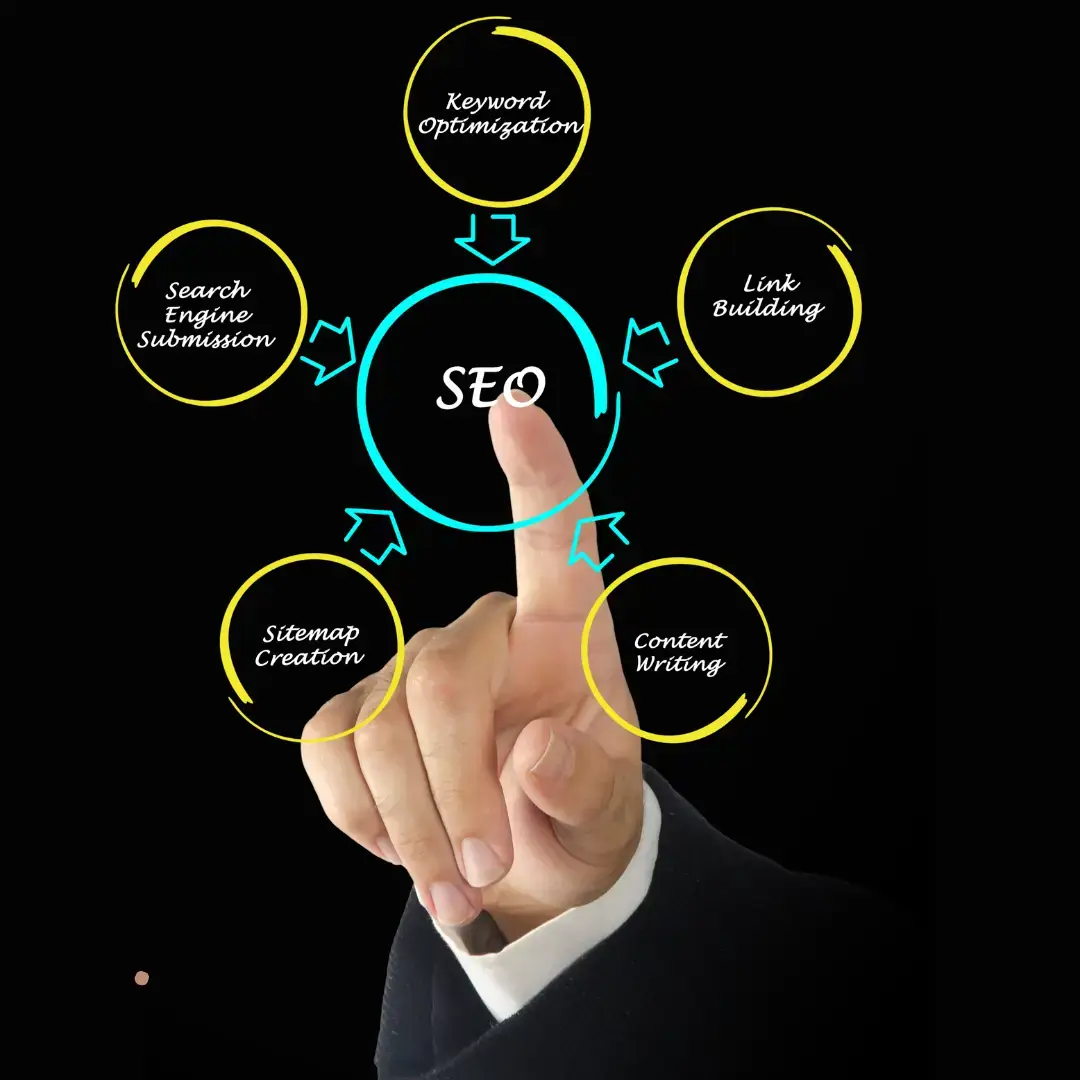
Why is multilingual SEO good for your business? In a market as diverse as Switzerland and Belgium, where several languages coexist, a multilingual SEO strategy is essential to maximize your online visibility. With the right SEO in French, Dutch, German and English, your site can reach a wider audience and boost its organic traffic. 1. Reach a wider, targeted audience Switzerland and Belgium are multilingual countries where consumers often seek services in their mother tongue. A well-optimized site in several languages enables you to : Generate qualified traffic from multiple language markets Increase conversion rates with content tailored to each audience Improve the user experience by offering information in the visitor's preferred language 2. Improve local and international SEO positioning Search engines, like Google, favor sites that address their audience in their own language. A good multilingual SEO strategy allows you to : Optimize local search results in Switzerland and Belgium Increase visibility on Google.ch and Google.be Benefit from more precise referencing with adapted hreflang tags Example: A medical practice in Geneva that offers its site in French and German will be better able to capture local searches in the region's two official languages. 3. Stand out from the competition with a local approach A well thought-out multilingual SEO strategy enables you to create unique and relevant content for each region. This helps you to : Adapt keywords to each market Create content specific to the needs of local customers Improve engagement rates by making your site more accessible 4. Optimize user experience and conversion rate A well-structured site in several languages offers fluid navigation and improves visitor confidence. Professional, non-automated translation to guarantee content quality Language-specific URLs to avoid duplicate content Correct use of hreflang tags to help Google better index language versions 5. Sustainable return on investment (ROI) Investing in multilingual SEO ensures sustainable growth in traffic and sales. Unlike paid advertising, natural SEO gives you continuous visibility without recurring advertising costs. More qualified leads Less dependence on costly advertising campaigns Lasting visibility and a higher retention rate Conclusion: Adopt an effective multilingual SEO strategy with Webiphi If your company is based in Belgium or Switzerland, don't let the language barrier limit your growth. At Webiphi, we'll help you create and optimize your multilingual SEO to maximize your visibility and customer engagement. Need a multilingual SEO audit? Contact our experts today!
Creating landing pages: best practices for converting your visitors
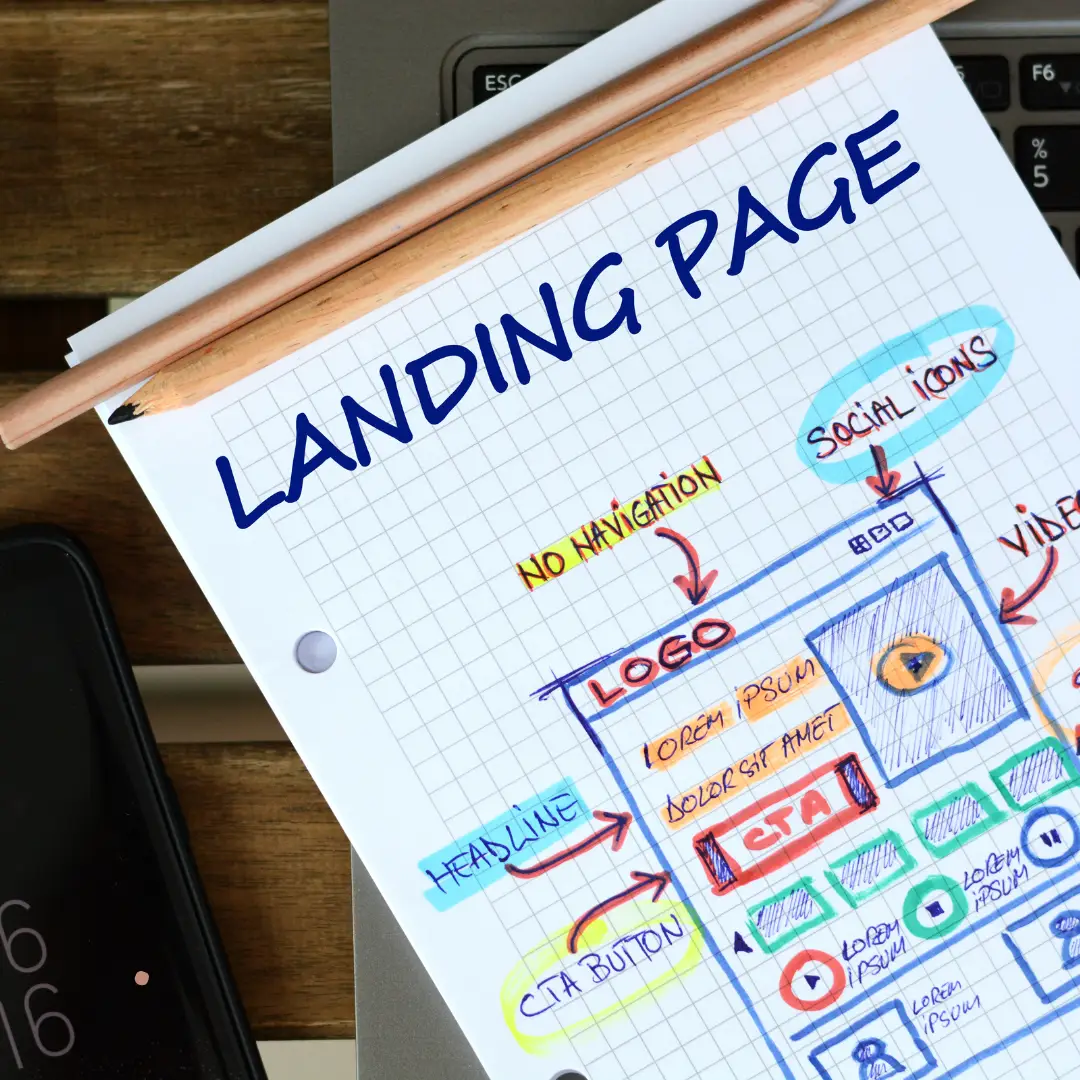
Introduction A landing page is a web page specifically designed to convert visitors into leads or customers. It is often used as part of marketing campaigns (Google Ads, social networks, emailing) to encourage the user to perform a specific action: fill in a form, download an ebook, subscribe to a newsletter or buy a product. But how do you ensure that a landing page is optimized to maximize conversions? In this article, we reveal the best practices for creating effective, high-performance landing pages. 1. Define a clear and precise objective A landing page should have a single main objective. Too many distractions or options can hinder conversion. Before creating it, ask yourself the following questions:️ What is the main objective of this page? (lead gathering, sales, registration...)️ What message do I need to get across quickly?️ What call to action (CTA) will prompt the user to take action? For example, if you're offering a webinar, your aim is to encourage registration, and your CTA will need to be clear: «Register for free now!»2. Write a catchy, impactful headline The headline is the first thing your visitor will read. It needs to be:️ Clear and punchy: Internet users must immediately understand the offer.️ Benefit-oriented: Highlight what your audience will gain.️ Short and effective: Avoid sentences that are too long. Example of a good title: «Download our ebook» → Too vague «Boost your sales with our FREE SEO guide» → More engaging 3. Write a clear, concise message Your content should be direct and convincing. Avoid long paragraphs and get to the point:️ Explain in a few sentences the value of your offer️ List the benefits in bullet point form️ Use simple, accessible language Example: What you'll learn with our SEO guide: Improve your visibility on Google Attract more qualified visitors Increase your conversion rate 4. Add a powerful call to action (CTA) The CTA (Call To Action) is the key element that prompts the user to take action. To be effective, it must be:️ Visible and contrasting (use bright colors like red or green)️ Short and inciting (avoid «Send», prefer «Download your FREE guide»)️ Strategically placed (above the waterline and at the bottom of the page) Example of effective CTAs: «Try FREE for 7 days»«Receive your personalized quote in 1 click» 5. Optimize design and ergonomics A landing page should be simple and visually appealing. A few essential rules:️ Focus on a clean design (avoid unnecessary distractions)️ Use engaging images or videos️ Ensure a good visual hierarchy (larger titles, clearly visible buttons)️ Optimize for mobile (a large proportion of visitors come from smartphones) UX best practices: Avoid navigation menus (they risk diverting attention). Add customer testimonials to reinforce credibility. Keep forms short (Name + Email are often enough). 6. Work on SEO to improve visibility Even if a landing page is often used for paid campaigns (Google Ads, Facebook Ads), optimizing it for SEO can also improve its natural ranking on Google. ️ Use a main keyword in the title, description and tags️ Optimize loading speed (avoid images that are too heavy)️ Structure content with H1, H2, H3 tags️ Include alternative text (alt) for images 7. Test and analyze performance To continually improve your conversions, it's essential to test different versions of your landing page. ️ A/B Testing: Compare two versions of a page with variations on: The title The CTA The colors and visuals The content layout ️ Performance analysis with Google Analytics or Hotjar: What is the conversion rate? Which elements receive the most clicks? Where do visitors leave the page? Conclusion A well-designed landing page can make the difference between a visitor leaving without taking action and a prospect converting into a customer. By applying these best practices (punchy title, optimized CTA, meticulous design, well thought-out SEO), you maximize your chances of marketing success and improving your conversion rate. Need a high-performance landing page? Call on Webiphi, your agency specialized in creating high-converting pages!
Quality backlinks: how to get them and why they're essential?
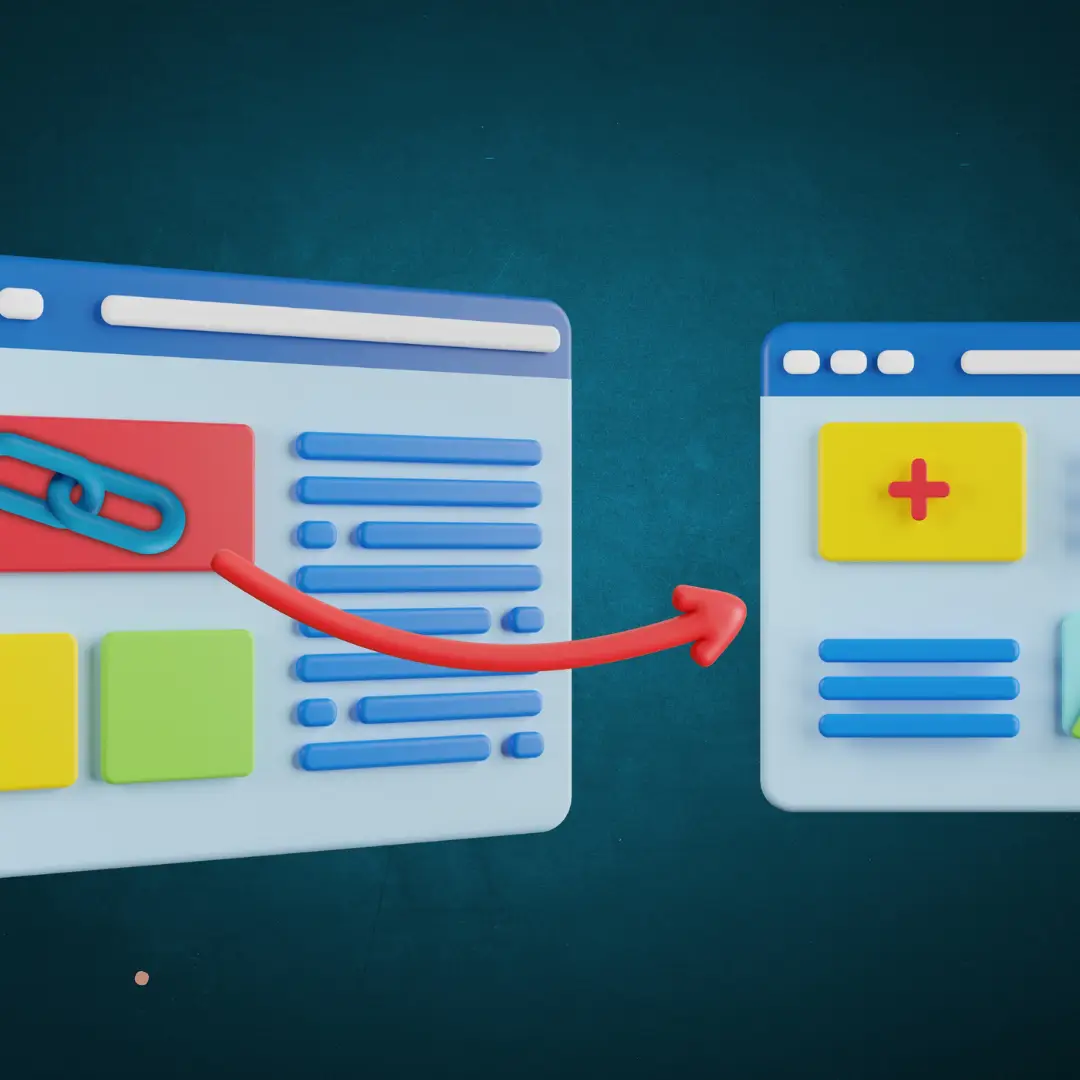
Introduction Backlinks are one of the pillars of Search Engine Optimization (SEO). A backlink is a link from an external site that points to yours. Google considers these links to be votes of confidence: the more quality backlinks you have, the greater the authority and visibility of your site in search results. But not all backlinks are created equal! It's crucial to prioritize quality links to avoid Google penalties and optimize your ranking. In this article, we'll look at why backlinks are essential and how to obtain them effectively. 1. Why are backlinks essential for SEO? Backlinks play a key role in a website's SEO for several reasons: They increase your site's authority Google uses algorithms like PageRank to assess a website's credibility. The more links your site receives from authoritative sites, the greater your credibility in the eyes of search engines. A site that regularly receives quality backlinks is more likely to appear at the top of search results. Google sees these links as recommendations, which helps your ranking. They generate qualified traffic A good backlink not only improves your SEO, it can also be a source of direct traffic. If a recognized site in your field talks about you and links to your site, its visitors will be more inclined to click through and discover your services. Being mentioned on authoritative sites enhances the perception of your brand among Internet users. The more your site is cited by influential players in your sector, the greater your credibility. 2. How do I get quality backlinks? There are several effective strategies for acquiring natural backlinks and avoiding toxic links that could penalize your site. 1. create high-quality content The surest way to obtain natural backlinks is to produce content that naturally attracts links. Here are a few formats that work well: Informative, well-researched blog posts Infographics and case studies Detailed guides and tutorials Interactive content (quizzes, free tools, etc.) Useful, relevant content will be more easily shared and cited by other sites. 2. Guest blogging Guest blogging involves writing articles for other influential sites in your sector, in exchange for a link back to your site. This practice enables you to : Obtain quality backlinks from authoritative sites Gain visibility with a new audience Enhance your online reputation Be sure to choose relevant, recognized sites to maximize the impact of this strategy. 3. Leverage relationships and partnerships If you collaborate with companies, suppliers or partners, ask them to mention your site on their blog or resource page. This could be in the form of : Customer testimonials with a link to your site Partnerships and visibility exchanges Joint publications on social networks 4. Use quality directories and specialized platforms Professional directories and sector-specific platforms can be a good source of backlinks, provided you choose sites that are recognized and relevant in your field. 5. Monitoring and recovering lost backlinks Sometimes, backlinks disappear as a result of site updates or article deletions. Use tools like Ahrefs, SEMrush or Moz to identify these links and contact webmasters to restore them. 3. Beware of toxic backlinks! Not all backlinks are beneficial. Some can even harm your SEO, especially those originating from : Low-quality or spammy sites Link farms Automatically generated links (link buying, dubious PBNs, etc.) Sites unrelated to your theme Google penalizes sites that abuse these practices via updates such as Penguin. To avoid this, regularly analyze your link profile and disavow toxic links with Google Search Console if necessary. Conclusion Quality backlinks are a fundamental element of off-page SEO, helping to improve your site's authority, positioning and traffic. To obtain them effectively, take a natural, strategic approach, focusing on relevant content, guest blogging and trusted partnerships. Want to improve your netlinking and boost your online visibility? Contact Webiphi, your expert SEO agency, for an effective and sustainable backlinks strategy!
Creation site vitrine : le guide complet 2026 pour les PME en Belgique

Complete 2026 guide to creating a showcase site in Belgium: rates, deadlines, technologies, local SEO, 7-step Webiphi methodology and mistakes to avoid for SMEs and freelancers.
Digital Marketing Trends for 2026 in Belgium and the Benelux
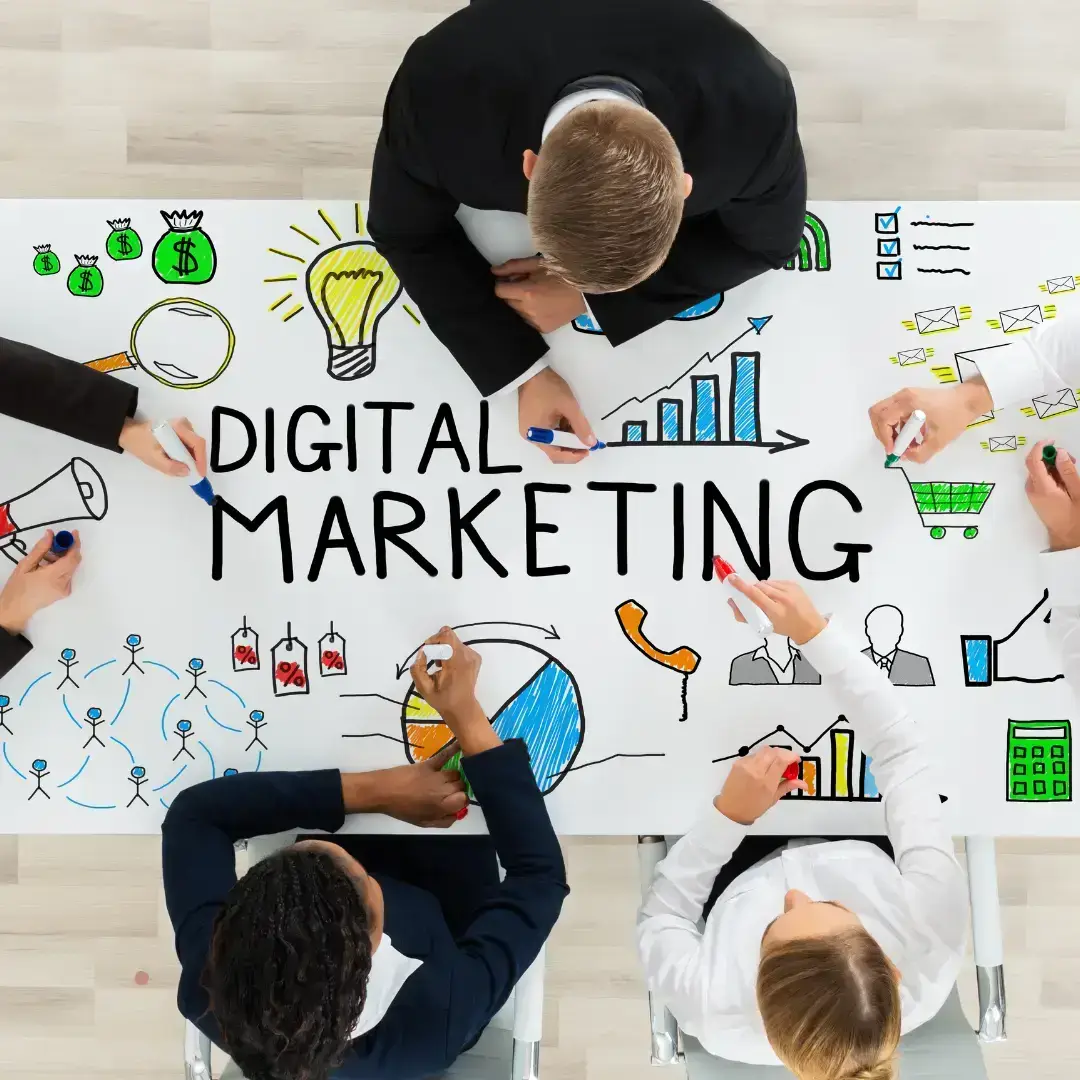
Digital Marketing Trends for 2026 in Belgium and the Benelux: Generative AI, GEO, Local SEO, Social Media, and Hyper-Personalization, Analyzed by Webiphi.
The secrets of a striking logo to boost your visual identity
A logo is much more than just an image: it's the central element of your visual identity, the first impression you leave with your customers and partners. A powerful logo must be recognizable, memorable and reflect your company's values. At Webiphi, we help Belgian SMEs and entrepreneurs create a strong, impactful visual identity. Discover the secrets of a successful logo and the mistakes to avoid. 1. A simple, effective design A good logo needs to be simple to be easily recognizable and adaptable to all media (business cards, website, social networks, etc.). Characteristics of an effective design: Immediate legibility: avoid overly complex details. Clean shapes: the simpler the logo, the more memorable it is. Harmonious colors: limit the number of colors for a professional look. Example: The logos of major brands such as Apple, Nike and McDonald's are simple yet instantly recognizable. At Webiphi, we design minimalist, modern logos that fit in perfectly with current trends. 2. The importance of color and typography Choosing the right colors Colors have a psychological influence on your customers. For example: Blue: confidence, professionalism (often used in finance and technology). Red: dynamism, energy (suitable for young, bold brands). Green: nature, ecology (ideal for eco-responsible companies). A good logo should be effective in black and white, for use on all types of media. The right typeface The choice of typeface influences the perception of your brand: Sans-serif (Helvetica, Montserrat, Poppins): modern and uncluttered. Serif (Times New Roman, Garamond): traditional and elegant. Script (Pacifico, Lobster): creative and original. Webiphi helps you select a color palette and typography that match your brand. 3. An adaptable, timeless logo A good logo should be versatile and adaptable to different formats: Monochrome version for simplified printing. Vector format for enlargement without loss of quality. Horizontal and vertical versions for digital and print media. A timeless logo avoids short-lived trends and remains relevant for years. At Webiphi, we take care to create logos that evolve and adapt to modern usage. 4. A logo that tells a story Your logo must convey a strong identity and tell a story. It should reflect: Your activity (e.g.: a construction company can incorporate a building element). Your values (e.g., an ethical brand might use natural shapes). Your uniqueness (avoid generic designs found everywhere). We work with you to analyze your corporate history and design a unique logo that speaks to your audience. 5. Avoiding common mistakes Here are the most common mistakes when creating a logo: Too much detail: a busy design becomes unreadable in small format. Copying an existing logo: your logo needs to be original to stand out. Wrong choice of colors: an incoherent palette hinders legibility. Use too many fonts: choose no more than 1 or 2. With Webiphi, you avoid these pitfalls and get a professional, unique logo. Conclusion A well-designed logo is a real asset for your company. It enhances your credibility, improves brand recognition and attracts potential customers. Want to create or modernize your logo? Contact Webiphi today for a visual identity that stands out from the crowd.
