
The corporate blog: powerful SEO leverage for your site
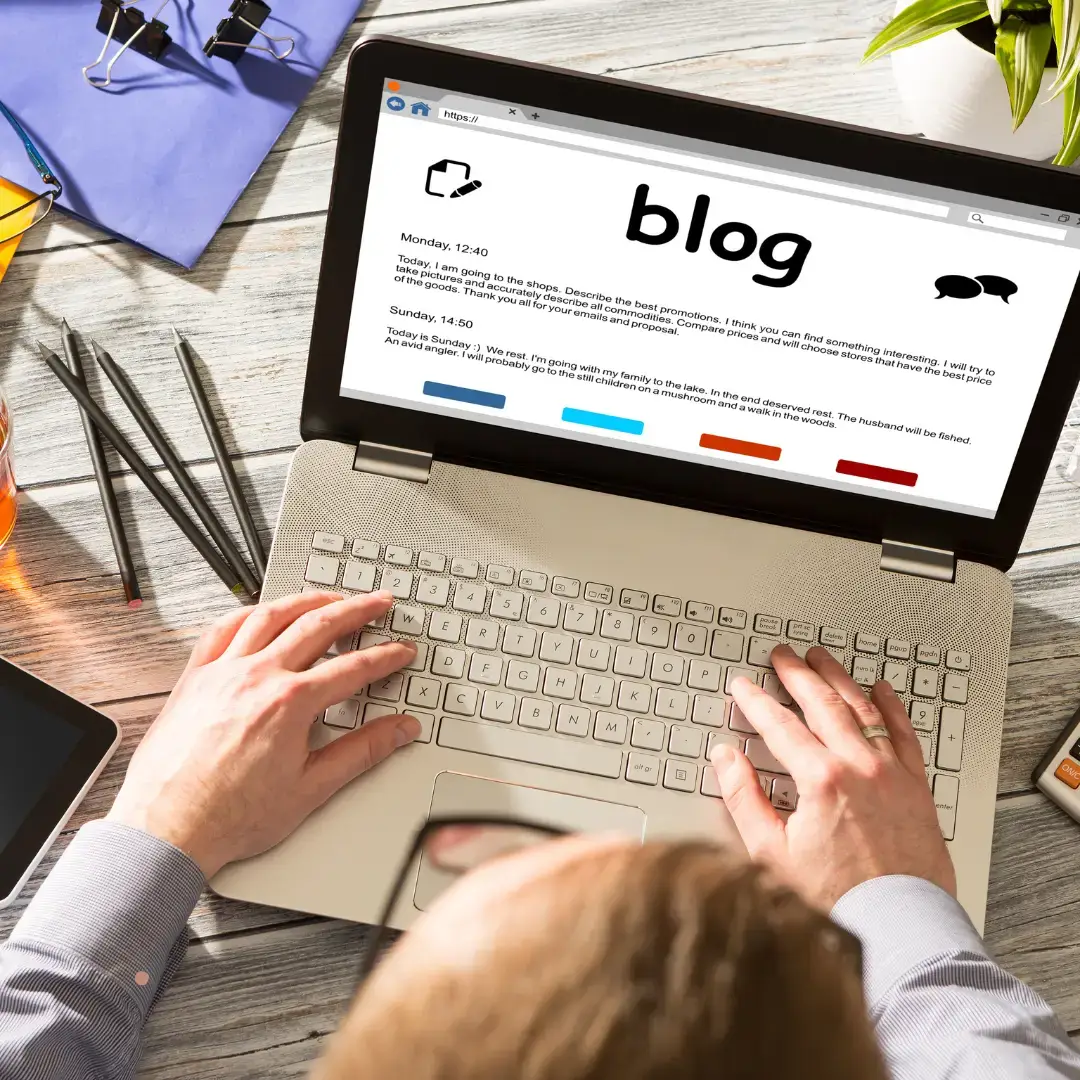
Today, having a website isn't enough to stand out from the crowd. To improve your online visibility and attract more customers, you need to adopt an effective content strategy. A company blog is one of the most powerful tools for boosting your natural search engine optimization (SEO). Not only does it help you attract qualified traffic, it also reinforces your expertise and enhances your brand awareness. In this article, find out why a company blog is an essential lever for your SEO strategy, and how to optimize it for concrete results. 1. A blog improves natural search engine optimization (SEO) Natural search engine optimization is largely based on the content of your site. Google favors sites that regularly publish fresh, relevant and optimized content. By integrating a blog into your site, you can : 🔹 Target strategic keywords to appear in search results.🔹 Generate more indexable pages and increase your chances of being referenced.🔹 Obtain natural backlinks thanks to quality content shared by other sites.🔹 Improve time spent on your site, an important criterion for Google. 💡 Example: a company specializing in IT solutions can publish articles on cybersecurity, cloud hosting or IT maintenance. This enables it to attract visitors interested in its services. 2. Generate qualified traffic and capture new customers A well-optimized company blog helps attract prospects by answering their questions and needs. 📌 Example: if you're a web agency in Brussels, publishing an article on "How to choose the best digital agency in Brussels?" positions you on a query searched by your future customers. 💡 Tips for generating qualified traffic:✔️ Publish articles that address your target audience's issues.✔️ Use long-tail keywords to capture more precise traffic.✔️ Insert calls to action to encourage visitors to request a quote or subscribe to your newsletter. 3. A blog reinforces your company's authority and credibility Google favors sites that are authorities in their field. A blog allows you to position yourself as an expert by sharing analysis, advice and case studies. 🎯 Why is this important? 📝 Example: an accountancy firm can publish articles on new tax regulations to showcase its expertise and attract new clients. 4. An excellent tool for internal linking and user experience Internal linking, which involves inserting links to other pages on your site, is essential for SEO. 🚀 Benefits of internal linking with a blog:✅ Improves navigation and user experience.✅ Distributes SEO authority among your pages.✅ Increases time spent on your site. 💡 Example: An article on web design trends may contain a link to your website design services page. 5. A blog encourages sharing on social networks Every article published on your blog is an opportunity to create engaging content for your social networks. Sharing your articles on LinkedIn, Facebook, Twitter or Instagram allows you to reach a wider audience and generate additional traffic. 💡 Tips for maximizing sharing:✔️ Add sharing buttons on every article.✔️ Integrate attractive visuals to capture attention.✔️ Write punchy headlines to encourage clicks. Conclusion: Make blogging part of your SEO strategy now! A company blog is an essential asset for improving your SEO, attracting potential customers and reinforcing your brand image. By regularly publishing relevant, optimized content, you maximize your visibility on Google and develop your online reputation. 👉 Need help writing and optimizing your blog? Webiphi can help you create high-performance content to boost your digital presence. Contact us today!
Why use a digital communications agency in Brussels?

In a world where digitalization is a must, online communication plays a key role in business success. Whether you're a local SME, a start-up or a major corporation, an effective digital strategy is essential to stand out from the crowd. But should you manage everything in-house, or call in a digital communications agency in Brussels? Let's find out why outsourcing your digital communications is a strategic and profitable choice. 1. Comprehensive expertise and specialized skills Digital communications agencies have a team of experts in different fields: calling on an agency gives you access to all these skills without having to recruit an in-house team, which represents a significant saving. 2. Save time so you can concentrate on your business Managing effective digital communications takes time and investment. By entrusting this task to a specialized agency, you can concentrate on your core business while benefiting from a high-performance digital strategy. The agency takes care of:✔️ Developing and executing your marketing strategy.✔️ Managing your social networks on a daily basis.✔️ Producing web-optimized content.✔️ Analyzing performance and adjusting actions. This means you don't have to spend time on time-consuming, technical tasks. 3. A fresh, objective look at your brand A digital communications agency in Brussels brings a fresh, objective look at your brand. It analyzes your positioning, your audience and your competitors to define a tailor-made strategy. 🔹 Digital audit: Assessment of your online presence.🔹 Definition of objectives: Brand awareness, customer acquisition, loyalty.🔹 Customized strategy: Actions adapted to your sector and market. Thanks to this approach, your communication becomes more coherent and effective, with measurable results. 4. Optimized return on investment Investing in a digital communications agency pays off in the long term. Unlike isolated marketing actions, an agency works on a global strategy that maximizes your return on investment (ROI). 📈 Financial benefits of a digital agency: The agency measures performance and adjusts strategies to continually improve results. 5. In-depth knowledge of the Brussels market Calling on a local digital communications agency has one big advantage: its knowledge of the Brussels market and digital trends in Belgium. 🔹 Knowledge of local consumer habits.🔹 Adaptation of messages to cultural and linguistic specificities.🔹 Mastery of local SEO strategies to boost your visibility in Brussels. This allows you to better target your audience and maximize your impact on the Belgian market. Conclusion: Trust a digital agency in Brussels! Outsourcing your digital communications to a specialized agency in Brussels is a strategic choice that allows you to gain visibility, optimize your time and maximize your return on investment. Thanks to its expertise, personalized support and knowledge of the local market, a digital agency is a true partner in the development of your business. 👉 Looking for customized support to boost your digital communications? Webiphi offers solutions tailored to your needs. Contact us now for a free audit!
Efficient antivirus: best practices to protect all your workstations

Cybersecurity is a major issue for companies in 2025. With cyber-attacks on the increase, it is crucial to implement effective protection on all workstations. A high-performance antivirus alone is not enough; it must be accompanied by best practices to guarantee optimal security. In this article, we explore the best strategies for strengthening the protection of your IT equipment. 1. choose a professional antivirus solution tailored to your business Free antivirus software may offer basic protection, but it is often inadequate in the face of advanced threats. Opt for a professional solution that offers: 2. Regularly update your software and antivirus An obsolete antivirus is ineffective against new attacks. To guarantee optimum protection: 3. Raise your employees' awareness of cyber risks A high-performance antivirus is no match for human error. Employee training is essential: 4. Implement a strict security policy Define clear rules to guarantee cybersecurity within your company: ✅ Ban on installing unapproved software✅ Restricted access to sensitive data✅ Mandatory use of a VPN for remote connections✅ Regular verification of user access rights 5. Complement antivirus with other security solutions Antivirus alone is not enough. It must be reinforced by : 🔹 A firewall to filter out malicious connections🔹 Anti-ransomware to block encryption attacks🔹 An EDR (Endpoint Detection & Response) solution for advanced monitoring🔹 An automatic backup system to prevent data loss Conclusion Securing all your company's workstations requires a combination of technologies and best practices. An effective antivirus, regular updates, staff awareness and a strict cybersecurity policy are essential to avoid cyberattacks. Would you like to strengthen your company's IT security? Webiphi can support you with solutions tailored to your needs. Contact us now for a free cybersecurity audit!
Updating your website: how to plan a successful project

With the rapid evolution of digital technology, an outdated website can damage your company's image and affect your online performance. Updating a website is more than just changing the design: it has to meet new standards in terms of SEO, user experience (UX) and security. Whether you want to modernize your site, improve its loading time, or adapt it to mobile requirements, good planning is essential to ensure the project's success. In this article, we'll guide you through the key steps to successfully updating your website. 1. Why update your website? A website needs to evolve in line with user needs and digital trends. Here are the main reasons why an update is necessary: ✅ Improve user experience: A more fluid, fast and intuitive site encourages visitor engagement.✅ Optimize natural search engine optimization (SEO): Google values high-performance, mobile and well-structured sites.✅ Secure your site: A non-updated site is more vulnerable to cyberattacks.✅ Adapt to new web trends: Responsive design, intuitive navigation, modern animations...✅ Boost your conversion rate: A well-thought-out redesign can improve lead generation and online sales. 💡 Case in point: An e-commerce site with a design that's several years old could lose customers due to a lengthy checkout process or poor mobile adaptation. 2. Key steps to a successful update 📌 a) Analyze the current state of your site Before embarking on a redesign, it's essential to carry out a comprehensive audit to identify areas for improvement:✔️ Technical performance (loading speed, bugs, mobile compatibility).✔️ SEO (URL structure, tags, optimized content).✔️ User experience (ergonomics, navigation, accessibility). 💡 Useful tools: Google PageSpeed Insights, GTmetrix, Google Search Console. 📌 b) Define your objectives Ask yourself the right questions:✔️ Do you want to improve your site's visibility on Google?✔️ Do you want to make your site more attractive and efficient on mobile?✔️ Do you need a more modern, engaging design? 🔹 Clear objective = effective redesign! 📌 c) Update design and ergonomics A modern website must be intuitive and pleasant to navigate. ✔️ Adopt a clean, responsive design (suitable for mobiles and tablets).✔️ Optimize navigation (clear menus, well-placed call-to-actions).✔️ Improve readability (modern typefaces, appropriate contrasts). 💡 Trend 2025: Minimalism, interactive animations, dark mode, immersive videos. 📌 d) Optimize speed and performance A slow site discourages visitors and impacts Google referencing. ✅ Reduce image size with tools like TinyPNG.✅ Enable caching for fast loading.✅ Use high-performance hosting to avoid slowdowns. 📌 e) Securing your website Cybersecurity is a major issue in 2025. ✔️ Update your CMS and plugins to avoid security loopholes.✔️ Install an SSL certificate (HTTPS) to protect user data.✔️ Activate a firewall and anti-malware tools. 📌 f) Adapt your site to good SEO practices A high-performance site must be well referenced on Google. 🔹 Essential SEO optimizations:✔️ Improving title and meta description tags.✔️ Structuring content with H1, H2, H3....✔️ Adding internal links and an XML sitemap.✔️ Optimizing strategic keywords. 💡 Useful SEO tools: Yoast SEO, Rank Math, SEMrush, Ahrefs. 📌 g) Test before going live Before going live, carry out thorough tests: ✔️ Check display on mobile, tablet and desktop.✔️ Test internal and external links.✔️ Check speed with Google PageSpeed Insights.3. How long does it take to update a website? Time varies according to the scope of the project:✔️ Minor updates (adding content, SEO corrections): a few days.✔️ Partial redesign (new design, technical optimization): 2 to 4 weeks.✔️ Complete redesign (structural change, new CMS): 1 to 3 months. ⏳ It's better to take the time to do it right! Conclusion: Don't neglect updating your website Updating a website is a strategic project that directly impacts your company's online visibility and performance. 🚀 Need customized support? Webiphi can help you modernize your site to ensure its effectiveness in 2025. Contact us today!
Digital transformation in Switzerland: opportunities and challenges for SMEs

Digital transformation has become an essential lever for the growth of Swiss SMEs. With the rise of digital technologies, companies must adapt to optimize productivity, improve the customer experience and remain competitive in the marketplace. However, digitalization also brings its share of challenges, particularly in terms of cybersecurity, change management and the adoption of new technologies. In this article, we explore the opportunities offered by digital transformation, as well as the challenges to be overcome to ensure a successful transition. 1. Why is digital transformation essential for SMEs in Switzerland? Switzerland, renowned for its innovation and economic dynamism, is seeing its SMEs gradually embrace digitalization. Here's why this transition is a must: ✅ Improved operational efficiency: automating tasks, reducing costs and optimizing processes.✅ Optimized customer experience: digitizing the customer journey, online after-sales service, interactive platforms.✅ Access to new markets: e-commerce and digital tools help expand the customer base beyond Switzerland's borders.✅ Enhanced competitiveness: companies that invest in digital are better prepared for market developments. 💡 Case in point: a Swiss SME specializing in the sale of handcrafted products can, thanks to a well-optimized e-commerce site, reach an international clientele and increase its sales. 2. The opportunities offered by digital transformation 📌 a) Process automation and optimization The integration of digital solutions such as artificial intelligence (AI), ERP software and CRM enables repetitive tasks to be automated and productivity to be increased. 📌 b) Digitalization of customer relations SMEs can use tools such as chatbots, customer management platforms (CRMs) and social networks to improve communication with their customers and boost engagement. 📌 c) Cybersecurity and data protection As Switzerland is a privacy-sensitive country, SMEs can differentiate themselves by guaranteeing optimal customer data security via advanced cybersecurity and cloud backup solutions. 📌 d) Collaborative working and flexibility Digital tools (Microsoft 365, Google Workspace, Cloud solutions) facilitate teleworking and improve collaboration between teams, a major asset in a hybrid working context. 3. Challenges to successful digitalization 🔹 a) Cost and return on investment (ROI) Some SMEs are reluctant to invest in digital solutions because of the upfront costs. However, it's crucial to view this expenditure as a strategic investment that will improve profitability over the long term. 🔹 b) Data security and compliance With cyberattacks on the rise, it's imperative for Swiss companies to:✔️ Secure their IT infrastructures with firewalls, professional antivirus and backup solutions.✔️ Comply with European regulations such as the RGPD. 🔹 c) Resistance to change Employees can be reluctant to adopt new digital tools. It is therefore essential to:✔️ Train teams in new technologies.✔️ Communicate the benefits and support change gradually. 🔹 d) Integrating new technologies The adoption of solutions such as artificial intelligence or automation must be thought out in terms of the company's real needs, without unnecessarily complicating internal processes. 4. How can you make a success of your SME's digital transformation? To ensure an effective digital transition, here are a few best practices to follow: ✔️ Carry out a digital audit: Evaluate the current state of digital tools and identify areas for improvement.✔️ Define a clear digital strategy: Set concrete objectives (improving customer service, automating sales, etc.).✔️ Invest in appropriate solutions: CRM, e-commerce, cybersecurity, cloud computing...✔️ Train teams: Organize training sessions to support the transition.✔️ Monitor performance: Measure the impact of the actions implemented and adjust the strategy if necessary. Conclusion: An unmissable opportunity for Swiss SMEs Digital transformation is a powerful lever for Swiss SMEs, enabling them to optimize their operations, improve the customer experience and stand out from the competition. 🚀 Want to digitalize your business? Webiphi supports your digital transformation with solutions tailored to the needs of Swiss SMEs. Contact us today!
How to improve your domain authority to dominate Google

Domain Authority (DA) is a key indicator for SEO. The higher your DA, the more likely your site is to appear at the top of Google search results. But how can you improve your Domain Authority effectively? In this article, we explain the best strategies for boosting your SEO and outranking your competitors. 1 Understanding domain authority and its importance Domain authority is a score (from 0 to 100) developed by Moz that estimates the credibility and strength of a website. It is based on several criteria, including: 🔹 The quality and number of backlinks (incoming links)🔹 The age of the domain🔹 The structure and optimization of the site🔹 The content and its commitment 💡 The higher your domain authority, the more reliable your site is considered by Google. 2. Get quality backlinks Backlinks (links pointing to your site from other sites) are one of the main factors influencing your DA. But beware: not all links are created equal! ✅ Best practices for effective backlinks : ✔️ Create quality content: articles, infographics, studies from cas✔️ Establish partnerships with confiance✔️ sites Guest blog on influents✔️ Avoid toxic backlinks from dubious sites 💡 Good netlinking improves your authority and boosts your Google rankings. 3. Optimize your website for SEO Google favors well-structured, optimized sites. To improve your DA, make sure to: 📌 Essential technical optimizations : ✅ Improve site loading speed✅ Make your site mobile-friendly✅ Optimize site architecture and internal linking✅ Correct technical errors (broken links, 404 errors, etc.) 💡 A fast, optimized site boosts your credibility in Google's eyes. 4. Publish quality, engaging content Relevant content attracts traffic, shares and backlinks. 📌 Effective content strategies: ✔️ Publish optimized articles regularly SEO✔️ Create long, in-depth content (guides, studies, analyses)✔️ Use strategic keywords to reinforce pertinence✔️ Encourage interaction (comments, shares, links) 💡 The more useful and engaging your content is, the more naturally it will attract backlinks. 5. Work on your social networking presence Although Google doesn't take social signals into account directly, a strong presence can indirectly improve your DA. 📌 How can you optimize your social presence? ✅ Regularly share your content on LinkedIn, Facebook, Twitter, etc.✅ Encourage engagement and shares✅ Create collaborations with influencers in your industry 💡 A strong social following encourages the sharing of your content and the acquisition of backlinks. 6. Constantly monitor and improve your DA Optimizing domain authority is an ongoing task. Use tools like Moz, Ahrefs or SEMrush to track your progress and adjust your strategy. 📌 Points to analyze regularly: ✔️ The number and quality of backlinks✔️ The SEO performance of your pages✔️ The speed and ergonomics of your site✔️ The quality and engagement of your content 💡 Regular monitoring will enable you to adapt your strategy and maximize your results. Conclusion: Make your site a reference on Google Domain authority is a key element of SEO that requires a well-defined strategy. By combining quality backlinks, optimized content and a high-performance site, you can improve your DA and dominate Google results. 🚀 Need SEO support? Contact Webiphi to optimize your SEO and boost your online authority today!
SEO: why it's a profitable investment for SMEs
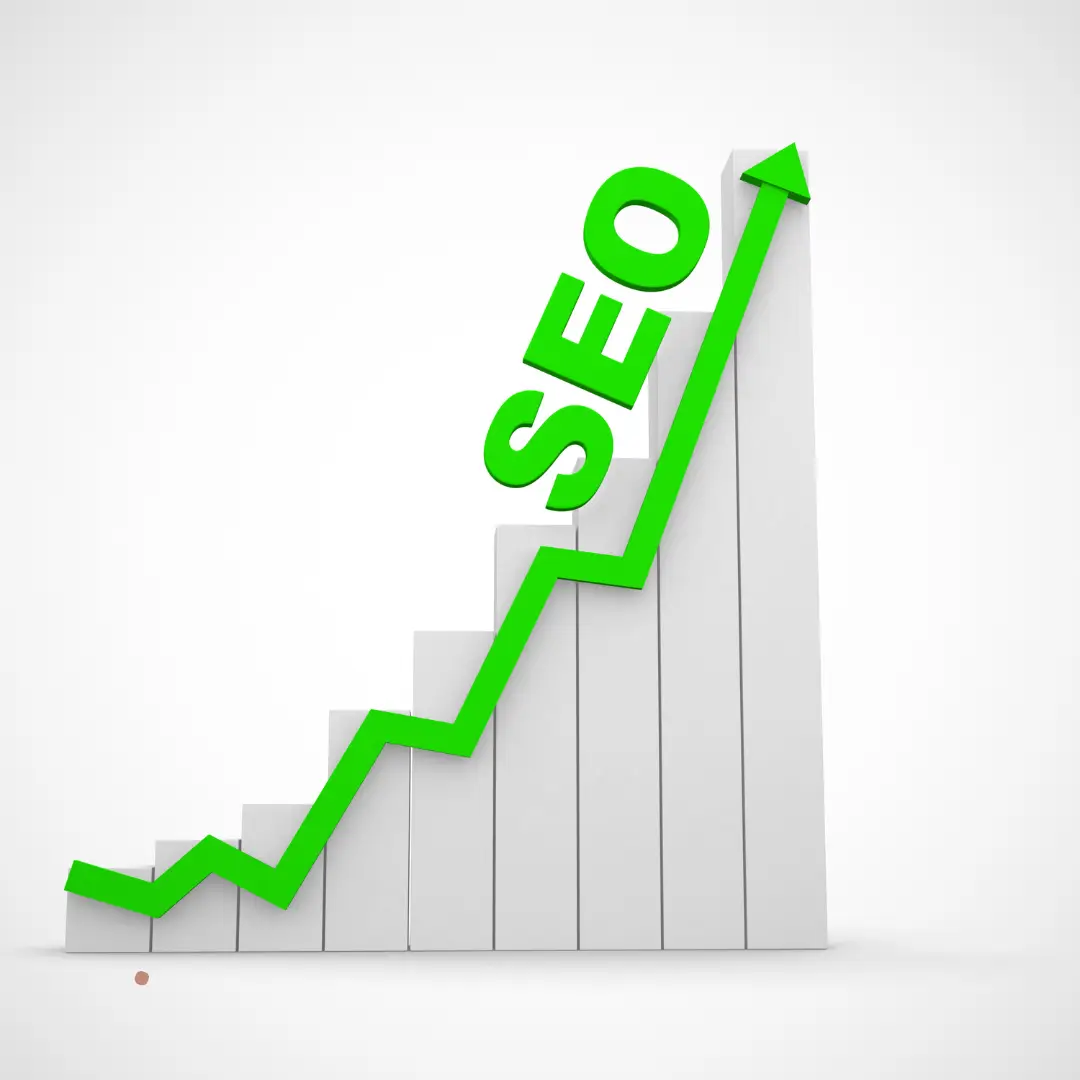
Search engine optimization (SEO) is often perceived as a cost by small and medium-sized enterprises (SMEs). Yet it's a strategic investment that can generate a high return on investment (ROI) over the long term. Unlike paid advertising, SEO offers lasting visibility and helps attract customers organically. In this article, we'll look at why SEO is profitable for SMEs and how to integrate it effectively into your digital strategy. 1. SEO: sustainable visibility for SMEs Investing in SEO enables SMEs to gain visibility on Google without relying on paid advertising. Unlike advertising campaigns, which cease to be effective once the budget is exhausted, SEO guarantees ongoing traffic. 🔍 The benefits of sustainable visibility : ✔️ Generation of qualified traffic over the long term terme✔️ Better positioning on Google without paying for each clic✔️ Increased notoriety and credibility 💡 Good SEO enables SMEs to compete with large corporations without blowing their marketing budget. 2. A profitable investment with a high ROI SEO is a long-term investment that offers a better return on investment (ROI) than paid advertising. Once optimized, your site continues to attract traffic at no extra cost. 📈 SEO vs Paid Advertising (SEA) comparison: 🔹 SEO: Higher initial effort, but lasting results and long-term profitability🔹 SEA (Google Ads, Facebook Ads): Immediate results, but requires a constant budget 💡 Good SEO reduces dependence on advertising and saves money in the long term. 3. Attract qualified customers with SEO SEO isn't just about generating traffic. It also helps attract prospects who are genuinely interested in your products and services. 🎯 Why does SEO generate more qualified traffic? ✔️ Precise targeting with keywords spécifiques✔️ Responding to user needs with content optimisé✔️ Improved conversion rate thanks to a better user experience 💡 A well-optimized site attracts visitors with high purchase intent, thus increasing the conversion rate. 4. SEO improves your SME's image and credibility Internet users trust natural results more than paid ads. Being well positioned on Google therefore strengthens your company's credibility and reputation. 🔹 A well-referenced site inspires trust: ✔️ Better click-through rate (CTR) on results organiques✔️ Expert image in your domaine✔️ Customer loyalty thanks to quality content 💡 Good SEO enables SMEs to stand out and attract more customers naturally. 5. A flexible, scalable SEO strategy SEO adapts to the needs and budget of SMEs. You can start with a simple strategy and gradually optimize your site according to the results obtained. 📌 Key steps to a profitable SEO strategy : ✅ Technical optimization (site speed, mobile-friendly, HTTPS security)✅ Content strategy (blog posts, optimized pages, targeted keywords)✅ Netlinking and authority (inbound links to boost rankings) 💡 A gradual approach enables SMEs to maximize their return on investment without spending a fortune. Conclusion: SEO, an essential growth lever for SMEs SEO is much more than just a cost: it's a strategic investment that guarantees lasting visibility, qualified customer acquisition and long-term profitability. 🚀 Why invest in SEO now? 🔹 Lower advertising costs🔹 Qualified traffic and high conversion rates🔹 Enhanced credibility and brand awareness🔹 Flexible strategy tailored to SMEs 💡 Need to improve your site's SEO? Contact Webiphi for a free SEO audit and find out how to optimize your SEO today!
New security standards for websites in Europe in 2025

Website security is a top priority for companies and organizations across Europe. With cyber-attacks on the rise and regulations evolving, it's crucial to know and apply new security standards to protect user data and ensure legal compliance. In this article, we take a look at the cybersecurity requirements for websites in Europe in 2025 and the best practices to adopt. 1. Regulatory developments in Europe Every year, the European Union strengthens its cybersecurity regulations to better protect users against cyberthreats. In 2025, several standards will apply to companies managing a website: 🔍 Main regulations to be aware of : ✅ RGPD (General Data Protection Regulation): Protection of personal data and transparency in its processing.✅ NIS2 (Network and Information Security) Directive: Strengthening the security of critical digital infrastructures.✅ DORA (Digital Operational Resilience Act): Security and resilience of financial sector companies against cyber attacks.✅ ePrivacy Regulation: Privacy of electronic communications and cookie management. 💡 Objective: Ensure better protection for users and minimize the risk of data breaches. 2. The importance of HTTPS and SSL certificates HTTPS is now a must-have standard for websites. It ensures data encryption and guarantees a secure exchange between user and server. 💡 Why switch to HTTPS? ✔️ Secures transactions and data sensibles✔️ Improves referencing on Google (SEO factor)✔️ Reassures visitors by displaying a padlock in the address bar 💡 Check that your SSL certificate is activated and renewed regularly to avoid security errors. 3. Strengthening protection against cyberattacks Cyberattacks are becoming increasingly sophisticated, forcing companies to adopt advanced protection measures. 🛡️ Cybersecurity best practices: 🔹 Firewall and WAF (Web Application Firewall) protection to block malicious attacks🔹 Threat detection and response (EDR, SIEM, XDR) to quickly identify intrusions🔹 Connection monitoring and multi-factor authentication (MFA) to secure administrative access 💡 Tip: Use advanced protection solutions to limit the risk of DDoS attacks, SQL injections and ransomware. 4. cookie management and privacy ePrivacy regulations require websites to better inform users about the use of cookies and trackers. 📌 ePrivacy compliance: ✔️ Display a clear consent banner and détaillée✔️ Allow users to refuse certain cookies not essentiels✔️ Set up a transparent privacy policy 💡 Use a consent management platform (CMP) to guarantee your compliance. 5. Updates and vulnerability monitoring A secure website relies on regular updates and active vulnerability monitoring. 📌 Actions to implement: 🔹 Update CMS, plugins and themes to avoid security vulnerabilities🔹 Analyze vulnerabilities with scanning tools (e.g. OWASP ZAP, Qualys)🔹 Perform penetration tests to identify potential weaknesses 💡 An outdated website is a prime target for hackers. Remember to keep your infrastructure up to date! 6. Backup and disaster recovery plan (DRP) In the event of a cyber attack or breakdown, having a disaster recovery plan in place is essential to minimize data loss and restore the site quickly. 🗄️ Best practices for secure backups: ✔️ Automatic and redundant backups (cloud and local storage)✔️ Disaster recovery plan (DRP) to quickly restore données✔️ Encrypt backups to prevent unauthorized access 💡 Perform regular tests to verify the reliability of your backup strategy. Conclusion: adapt to Europe's new security standards In 2025, cybersecurity and data protection requirements are getting tougher. It's essential for companies to comply with new standards to protect their users and avoid legal penalties. ✅ Summary of actions to implement: 🔹 Secure your site with an SSL and HTTPS certificate🔹 Reinforce protection against cyber attacks🔹 Comply with new rules on cookies and confidentiality🔹 Update your site and monitor vulnerabilities🔹 Plan an effective backup and DRP 🚀 Need support to secure your website in Europe? Contact Webiphi for a security analysis and full compliance.
How do you set up a disaster recovery plan?

No company is immune to IT disasters: cyber-attacks, hardware failures, fires or natural disasters can all lead to major interruptions. Without an effective Disaster Recovery Plan (DRP), these incidents can have catastrophic consequences for a company's productivity and long-term viability. In this article, we explain how to set up a solid DRP to ensure business continuity in the event of a disaster. 1. What is a Disaster Recovery Plan (DRP)? A Disaster Recovery Plan (DRP) is a detailed strategy that enables a company to quickly restore its IT systems after a major incident. It aims to minimize data loss, limit interruptions and ensure rapid resumption of operations. 🚨 A good DRP includes: ✔️ A risk and scenario analysis possibles✔️ A backup system fiable✔️ A restoration strategy données✔️ Recovery procedures opérationnelle✔️ Regular testing to ensure its effectiveness 2. Identify risks and potential impacts Before designing a DRP, it is essential to identify possible threats and assess their impact on the business. 🔍 Types of IT disasters 🔹 Cyberattacks (ransomware, phishing, hacking)🔹 Hardware failures (servers, hard drives)🔹 Natural disasters (fires, floods)🔹 Human errors (accidental deletion of files) 💡 Objective: define priorities and rank risks according to severity and frequency. 3. Set up an effective backup system Data backup is the cornerstone of an effective DRP. 💾 Best practices for a secure backup ✅ Regular backup (daily or weekly as required)✅ Multiplication of copies (on-site storage + cloud)✅ Incremental backup to avoid storage overload✅ Encryption of data to guarantee its security 💡 Recommended solution: Opt for a secure cloud backup and a local backup on a dedicated server. 4. Define a system restoration plan Once data has been backed up, it's important to plan an effective method for restoring it quickly. 📌 Key steps for effective recovery 🔹 Prioritize the services to be restored🔹 Have backup hardware ready to go🔹 Prepare a detailed procedure for restoring systems🔹 Regularly test the process to ensure reliability 💡 Optimum recovery time: Define an RTO (Recovery Time Objective), i.e. the maximum acceptable time for business recovery. 5. Train and raise team awareness An effective DRP relies not only on technical tools, but also on team responsiveness. 👨💻 Essential actions ✔️ Train employees in best practices at cybersécurité✔️ Organize disaster simulations to test PRA✔️ Designate a person responsible for crise✔️ management Set up an internal communications plan in the event of an incident 💡 Well-prepared staff enable faster, more effective recovery. 6. Test and update the DRP regularly An outdated DRP can be ineffective in the event of a disaster. It is therefore crucial to test and update it regularly. 🔄 How do you test your plan? ✅ Carry out data restoration tests✅ Simulate a cyber attack to check the company's response✅ Analyze feedback and improve procedures accordingly 💡 Objective: Adjust the DRP in line with technological developments and new threats. Conclusion : Protect your business with an effective DRP A well-designed disaster recovery plan is essential to ensure the continuity of your business after an IT disaster. ✅ Identify the risks and impacts✅ Set up a reliable backup✅ Define clear restoration procedures✅ Raise awareness among your teams✅ Regularly test your DRP 🚀 Need support to secure your IT infrastructure? Contact Webiphi to set up a customized DRP and protect your business from disruption.
Creating e-commerce sites in Brussels: essential features

Online business is growing steadily in Belgium, and Brussels is a strategic hub for e-commerce entrepreneurs. However, to be successful, an e-commerce site must integrate essential functionalities to guarantee a fluid user experience and optimal conversion. Whether you're an SME, a local merchant or a startup, here are the essentials for a successful e-commerce site. 🚀 A responsive design and intuitive navigation 📱 Mobile compatibility (responsive design) In 2025, over 60 % of online purchases will be made on mobile. It's therefore essential that your online store is optimized for all screens (smartphones, tablets, computers). ✔️ A 100 % responsive site improves user experience and Google rankings.✔️ Buttons and menus must be easily accessible on small screens. 🔎 Clear, fast navigation A high-performance e-commerce site must offer intuitive navigation, enabling customers to quickly find what they're looking for. ✔️ Advanced search bar with automatic suggestions.✔️ Intelligent categories and filters to sort products.✔️ Fast page loading (less than 3 seconds). 💳 Secure payment management 🔒 Security and diversity of payment methods An e-commerce site must integrate secure payment solutions to inspire buyer confidence. ✔️ Integration of SSL-secured payments.✔️ Varied payment options: bankcards, PayPal, bank transfer, Apple Pay, Bancontact.✔️ Compliance with European PSD2 standards for double authentication. 🎁 Coupon code system and multi-payments To boost sales, we recommend adding:✔️ Discount codes and special offers.✔️ Multi-payment (e.g. Klarna, Alma). 📦 A stock management and delivery module 📊 Automatic stock updates A good e-commerce site should display product availability in real time to avoid unpleasant surprises for customers. ✔️ Synchronization with your in-store stock.✔️ Ability to indicate replenishment lead times. 🚚 Flexible delivery options Offering several delivery choices can improve your conversion rate: ✔️ Classic delivery (Bpost, DHL, UPS).✔️ Click & Collect in-store.✔️ 24-hour express delivery. ⭐ Customer reviews and loyalty program 🗣️ Integration of customer reviews Consumers rely on reviews and testimonials before buying online. ✔️ Display of reviews verified via Trustpilot or Google Reviews.✔️ Product rating system (stars, comments). 🎯 Loyalty program Loyalizing your customers is more profitable than acquiring new ones. ✔️ Rewards in points convertible to discounts.✔️ Exclusive offers for regular customers. 📊 SEO optimization and digital marketing 🔍 SEO optimized for e-commerce Good SEO helps attract qualified traffic to your store. ✔️ Strategic keywords in product titles and descriptions.✔️ Well-written product sheets optimized for Google.✔️ Integrated blog to attract visitors via SEO articles. 📢 Marketing automation & retargeting A successful online store needs to use automated marketing tools: ✔️ Automatic emails for abandoned shopping carts.✔️ Retargeting ads (Facebook Ads, Google Ads).✔️ Push notifications for special offers. ✅ Conclusion Creating a high-performance e-commerce site in Brussels requires the right features to ensure a smooth, secure customer experience. 📞 Need a turnkey e-commerce site? Contact Webiphi for a customized solution tailored to your business.
